Creative Science Experiment Embroidery Design
First Impressions of the Illustration
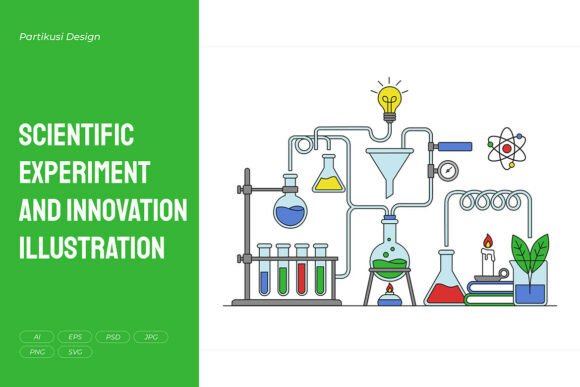
When I first laid eyes on Creative Science Experiment Illustration, I felt a sense of curiosity and professionalism. The design immediately communicates innovation and modernity, with its clean lines and flat style. It's not overly detailed, which is perfect for embroidery where too much complexity can be problematic. The layout is balanced, featuring laboratory equipment like flasks and test tubes arranged in a way that feels both educational and artistic.
The mood created by this illustration is one of intellectual exploration and creativity. It’s a great fit for projects that aim to inspire or educate, such as science-themed gifts or boutique branding. The visual personality is sleek and contemporary, making it versatile enough to work well across different markets and audiences.
Real-Life Scenario: Embroidering a Custom Tote Bag
Let’s imagine using Creative Science Experiment Illustration on a custom embroidered tote bag. As a designer, I’d start by envisioning how the illustration would translate from digital to fabric. The clean, modern look should translate well into stitch form, especially when using satin stitches for the main shapes and fill stitches for the background.
I can see this design working beautifully on a light-colored fabric, where the contrast between the illustration and the background will make the details pop. However, if we were to use it on a dark fabric, we'd need to ensure the thread colors are bold enough to maintain clarity and visual impact. This makes me think about the importance of testing the design on scrap fabric before committing to a full project.
For a tote bag, the size of the illustration matters. A larger hoop size would allow for more detail and clarity, while smaller hoop sizes might require simplifying the design or focusing on key elements like the flasks and test tubes. If the illustration is used on a curved surface, like a cap or hat, some adjustments may be needed to maintain the integrity of the design.
Where This Design Shines
Creative Science Experiment Illustration has a lot of potential in several areas. It would work well on custom apparel such as sweatshirts and t-shirts, especially for craft businesses targeting niche markets like science enthusiasts or educators. It could also be a hit on tote bags and pillow covers, adding a touch of sophistication to home decor items.
For handmade products, this design adds a professional flair without being overwhelming. It could easily be adapted into an embroidered patch for kids' clothing or a nursery decoration with a playful twist. On holiday gifts, it brings a unique angle to traditional designs, making them stand out in a crowded market.
In a commercial setting, this illustration can serve as part of a brand identity for a small shop selling science-related merchandise. It could also be used in printable mockups or digital product previews, helping sellers showcase their offerings effectively on platforms like Etsy or at craft fairs.
Areas to Use with Caution
While Creative Science Experiment Illustration is visually appealing, there are certain situations where it might not perform as well. For instance, using it on small hoop sizes could lead to loss of detail or distortion. Similarly, on textured fabrics or thin materials, the design may not hold up as well unless the right stabilizer is used.
Stretchy fabrics can cause issues with stitch alignment, so it’s important to consider the fabric type before starting. If the design includes tiny lettering or dense stitch areas, those parts may need to be simplified or tested separately. Also, on dark fabrics, the thread color contrast must be carefully chosen to avoid blending into the background.
Design Considerations for Embroidery Projects
If you're planning to use Creative Science Experiment Illustration in your next embroidery project, here are a few practical notes:
- Test the design on scrap fabric first to check how it looks in stitch form.
- Check thread color contrast to ensure visibility on different fabric backgrounds.
- Review stitch density to avoid overcrowding the design, especially in tight corners.
- Confirm hoop size based on the illustration's dimensions to prevent stretching or distortion.
- Inspect small details to ensure they remain clear after stitching.
- Use proper stabilizer to support the fabric and maintain the design's shape.
- Test in black and white mockups to evaluate contrast and clarity before finalizing colors.
Also, always confirm whether the design is suitable for both personal and commercial use and check licensing terms if you plan to sell finished items or digital products. Ensuring legal compliance is just as important as the aesthetic appeal of the design.
Final Thoughts on Creative Science Experiment Illustration
Creative Science Experiment Illustration offers a fresh take on scientific themes with its modern and clean presentation. Whether you're designing for a craft business, creating personalized gifts, or exploring commercial embroidery opportunities, this design has the potential to elevate your projects with a professional and engaging visual element.
Its versatility makes it a valuable addition to any designer's portfolio, but careful consideration of fabric, hoop size, and stitch technique will help ensure the best possible outcome. With the right approach, this illustration can become a standout feature in handmade products, small shop merchandise, and even digital design assets.